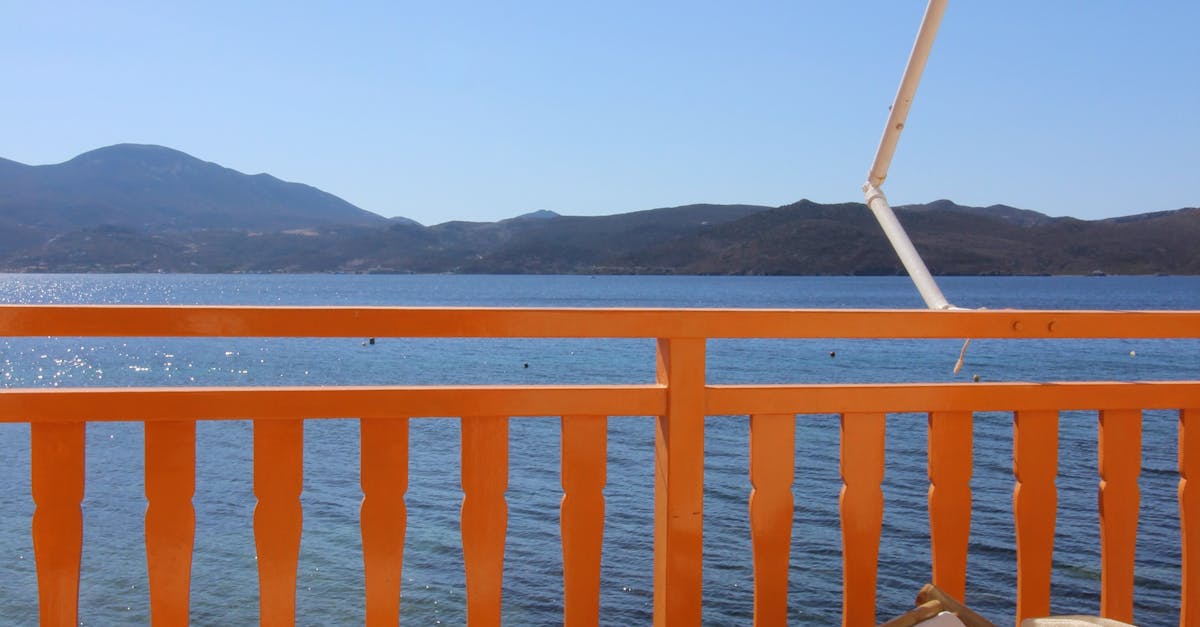
How PVC Decks Perform in Coastal Environments
Table Of Contents
Aesthetic Appeal of PVC Decks
Modern PVC decking offers a wide array of colour and texture options that can enhance the visual appeal of coastal homes. Homeowners can select from natural wood-like finishes, vibrant colours, or even custom designs to complement their architecture. The ability to mimic the look of hardwood without the maintenance demands adds to its attractiveness. This versatility allows for creative expression, making it easy to create stunning outdoor living spaces that resonate with the surrounding coastal landscape.
Furthermore, the consistent finish of PVC decks ensures uniformity and eliminates concerns about warping or fading. The material's resistance to moisture and UV rays enhances its longevity and preserves its aesthetic qualities over time. Additionally, the smooth surface is not only appealing to the eye but also comfortable underfoot, making it ideal for family gatherings or barefoot enjoyment. With the ability to maintain its beauty amidst the harsh coastal environment, PVC decking stands out as a practical yet stylish choice for seaside properties.
Design Versatility for Coastal Homes
Coastal homes benefit greatly from the range of design options that PVC decking offers. Available in an array of colours and finishes, PVC materials can mimic the look of traditional timber while providing enhanced durability. Homeowners can choose from various styles, allowing them to create a personalised outdoor living space that complements their architectural preferences. Whether aiming for a modern aesthetic or a more rustic appeal, the versatility of PVC decking accommodates diverse design themes effortlessly.
In addition to its aesthetic flexibility, PVC decking is lightweight and easy to install, making it an appealing choice for coastal constructions. The ability to cut and shape the material with relative ease means that custom designs can be achieved without hassle. This adaptability extends to different deck configurations, such as multi-level designs or integrated seating, accommodating the geographical uniqueness of coastal properties. By offering both functional and decorative solutions, PVC decking enhances outdoor areas while standing up to the challenges posed by coastal climates.
Installation Considerations for Coastal PVC Decks
When installing PVC decks in coastal areas, attention to detail during the foundation phase is crucial. Coastal environments often face challenges such as shifting sands, high winds, and salt exposure. Ensuring a stable substructure capable of withstanding these elements will prevent future issues like warping or instability. Additionally, using marine-grade materials for fasteners and supports can enhance durability and longevity, protecting against corrosion caused by seawater and salt-laden air.
Proper drainage is another key factor to consider. Coastal locations may experience heavy rains and wave action, necessitating a well-planned drainage system to avoid water pooling beneath the deck. Elevating the deck slightly above the ground can facilitate airflow and encourage moisture evaporation, further protecting the PVC material. These measures help maintain the structural integrity of the deck while ensuring a safe, functional outdoor space.
Techniques for Optimal Performance
To achieve the best performance from PVC decks in coastal environments, proper installation techniques are crucial. Ensuring a well-drained substrate can help prevent moisture accumulation, which is especially important given the high humidity and salt exposure typical of coastal regions. Installing the deck with appropriate spacing between boards allows for contraction and expansion due to temperature fluctuations. Additionally, utilising stainless steel fasteners can mitigate rusting and maintain the integrity of the deck over time.
Regular maintenance practices also play a significant role in extending the lifespan of PVC decks. Employing a gentle cleaning method at least twice a year can effectively remove salt deposits, sand, and debris. It is advisable to use a soft-bristle broom or a power washer set to a low pressure. Inspecting the deck periodically for any signs of wear and addressing issues promptly not only enhances performance but also contributes to safety by preventing slip hazards in wet conditions.
Environmental Impact of PVC Decks
The production and disposal of PVC decks raise important environmental concerns. PVC is derived from fossil fuels, leading to greenhouse gas emissions during its lifecycle. The manufacturing process can result in hazardous waste and byproducts, which pose risks to ecosystems and human health. Over time, as materials degrade, microplastics may also enter the marine environment, contributing to pollution. The long-term impact of these materials in coastal areas necessitates careful consideration of their use.
On the positive side, PVC decks are highly durable, which translates to a longer lifespan and reduced need for replacement compared to traditional wood decks. This longevity can mitigate some negative environmental effects by decreasing the frequency of manufacturing and transportation. Additionally, some manufacturers are now exploring ways to produce PVC from recycled materials or develop more sustainable alternatives. Evaluating the overall environmental impact involves weighing the benefits of durability against the issues linked to production and end-of-life disposal.
Sustainability in Coastal Applications
The use of PVC decks in coastal environments presents a unique opportunity to balance durability with ecological considerations. Many manufacturers are now incorporating recycled materials into their PVC products, reducing the demand for virgin resources. This shift not only lowers the environmental burden associated with extraction and processing but also encourages a circular economy within the decking industry. Furthermore, PVC decks are designed to resist the harsh effects of saltwater and UV rays, leading to a longer lifespan compared to traditional wood options.
While the benefits of PVC decking are clear, it is essential to consider the broader impact of its production and disposal. Innovations in manufacturing processes are focusing on minimising emissions and energy consumption, contributing to a reduced carbon footprint. Additionally, responsible disposal methods are being developed to ensure that end-of-life PVC products do not contribute to landfill concerns. Consumers can thus enjoy the aesthetic and structural benefits of PVC decks while supporting sustainable practices that protect coastal ecosystems.
FAQS
What are the main benefits of using PVC decks in coastal environments?
PVC decks offer excellent resistance to moisture, salt, and UV exposure, making them ideal for coastal conditions. They are also low maintenance, durable, and come in a variety of designs to complement coastal aesthetics.
How do PVC decks compare to traditional wood decks in coastal areas?
Unlike traditional wood decks, PVC decks do not warp, splinter, or require regular sealing and staining. They are more resistant to the elements and do not succumb to rot, which is especially beneficial in humid and salty coastal environments.
What installation techniques should be considered for PVC decks in coastal areas?
It’s important to ensure proper ventilation and drainage during installation to prevent moisture buildup. Using corrosion-resistant fasteners and ensuring the deck is securely anchored can also enhance performance and longevity.
Are PVC decks environmentally friendly for coastal applications?
PVC decks can be considered environmentally friendly as they are often made from recycled materials and are recyclable themselves. However, it’s essential to choose products from manufacturers committed to sustainability practices.
How does the aesthetic appeal of PVC decks cater to coastal homes?
PVC decks are available in a wide array of colours and textures, allowing homeowners to achieve the desired look for their coastal properties. They can mimic the appearance of natural wood while providing enhanced durability and performance.
Related Links
Choosing the Right Colour and Texture for PVC DecksCost-Effective Solutions for PVC Deck Installation
Common Misconceptions About PVC Decking
Innovative Features of Modern PVC Decking Materials
Long-Term Value of Investing in PVC Decks
Designing Outdoor Living Spaces with PVC Decks
The Best PVC Decking Brands for Sunshine Coast Builders
Comparing PVC Decks to Traditional Timber Options
Benefits of Installing PVC Decks on the Sunshine Coast