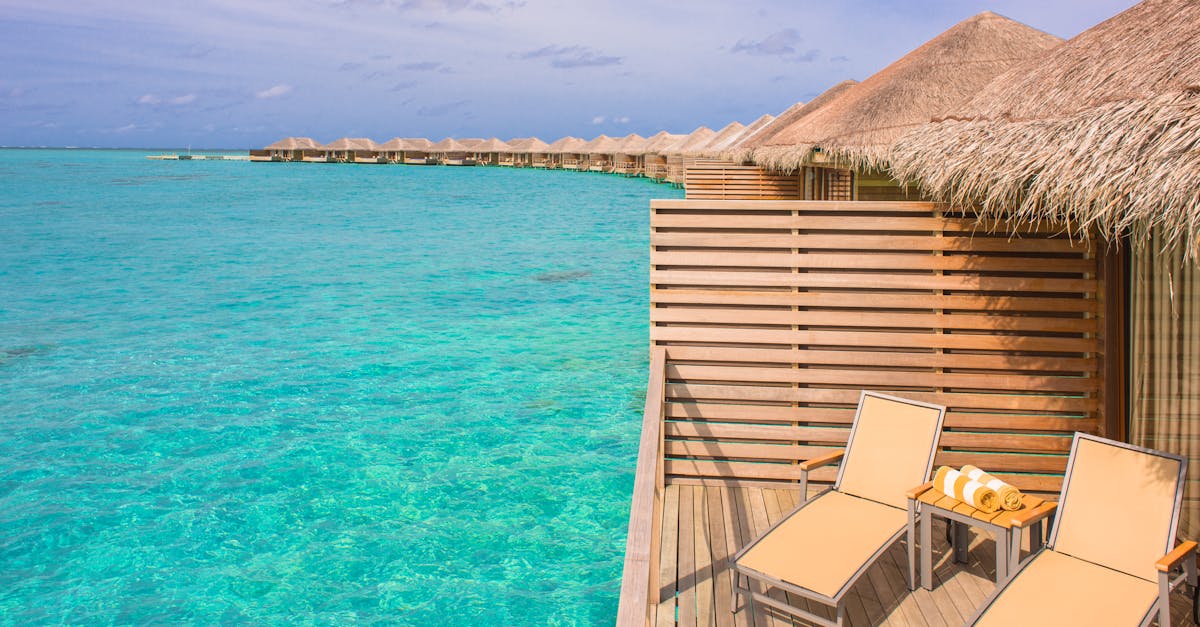
Benefits of Using Composite Decking for Coastal Homes
Table Of Contents
Safety Features
Coastal homes face unique challenges due to the proximity to saltwater and high humidity levels. These elements can compromise traditional wooden decking materials, which often warp and splinter over time. Composite decking, however, is designed to withstand these harsh conditions, providing a safe surface that reduces the risk of injury from splinters or loose boards. This makes it an excellent choice for families and those who enjoy outdoor activities.
Slip resistance is a critical consideration, especially in environments where water accumulation is common. Composite decking materials often feature textured surfaces that improve grip, making them safer underfoot, even when wet. This added safety aspect is essential for coastal homeowners, as it helps reduce the likelihood of slips and falls, making outdoor areas more accessible for children, elderly residents, and guests.
Slip Resistance for Coastal Homes
Coastal environments often experience high humidity and moisture levels, creating conditions that can lead to slippery surfaces. Composite decking materials are specifically designed to resist water penetration, reducing the chances of slips and falls. Many composite options feature textured finishes that enhance grip, providing a safer walking surface for families and pets. This added traction is particularly important in areas that receive plenty of rain or are close to the ocean, where waves can splash onto decks.
Homeowners can enjoy peace of mind knowing that their decking is safer for use during wet weather. The risk of accidents is significantly lower with slip-resistant composite options, making outdoor spaces more accessible for everyone. This feature not only improves safety but also increases the overall enjoyment of outdoor living areas, allowing residents to make the most of their coastal surroundings without the constant worry of potential slips.
Cost-Effectiveness
Composite decking has gained a reputation for being a cost-effective choice for coastal homes. The initial investment may be higher compared to traditional timber options, but the long-term benefits far outweigh these upfront costs. Homeowners can save money on maintenance and repairs due to the material's durability and resistance to environmental stressors such as saltwater and UV rays. With composite decking, the need for regular sealing and staining diminishes, leading to significant savings over time.
Additionally, this type of decking offers a longer lifespan than many conventional materials. While timber can warp or rot in coastal climates, composites maintain their structural integrity. Fewer repairs and replacements mean less hassle for homeowners and ultimately lower expenditure. The initial expense becomes an investment that pays off through the years, making composite decking an increasingly popular choice for those looking to enhance their coastal properties.
Long-Term Savings on Repairs
Composite decking materials are designed to withstand the harsh coastal environment. Unlike traditional wood, they are resistant to moisture, rot, and insect damage. This resilience significantly reduces the frequency and cost of repairs. Homeowners can enjoy a deck that stays looking good and performing well over time, leading to fewer financial surprises related to maintenance.
Furthermore, the durability of composite materials translates into lower overall costs in the long run. With minimal upkeep required, spending on sealants and treatments is not as necessary. This lets homeowners allocate their resources more effectively, ensuring that their outdoor spaces remain inviting without the burden of constant repairs. The investment in composite decking ultimately leads to peace of mind regarding the longevity of the structure.
Installation Benefits
Composite decking offers significant advantages when it comes to the installation process. Most products in this category are designed to be lightweight and easy to handle, reducing the physical strain on installers. Many composite materials come with simplified fastening systems, which allow for quicker and more efficient assembly. This ease of installation not only speeds up project timelines but also minimizes the potential for errors during construction.
The versatility of composite decking also enhances its appeal for various coastal applications. Customisation options, including different colours and textures, can be easily incorporated without needing complex tools or specialised skills. Additionally, many manufacturers provide clear guidelines and resources, ensuring that even those with minimal experience can achieve professional results. This accessibility can be particularly beneficial for DIY enthusiasts looking to enhance their coastal properties with durable decking solutions.
Simplified Construction Process
Composite decking materials are designed for ease of installation, making the building process more efficient. They are lighter than traditional timber options, which reduces the physical strain on workers and allows for quicker handling. Pre-cut lengths and interlocking systems simplify alignment, ensuring a tight fit without the need for complex cuts or adjustments. This streamlined approach can significantly cut down on labour time and costs, making it an appealing option for builders and homeowners alike.
Additionally, many composite products come with pre-drilled holes, which makes fastening much simpler and less time-consuming. This means fewer tools are needed on-site, thus further minimising the construction clutter. The straightforward installation process appeals to DIY enthusiasts, allowing them to embark on their own decking projects with confidence. Less time spent on installation translates into more immediate enjoyment of the finished product, enhancing overall satisfaction with the decking choice.
FAQS
What are the main safety features of composite decking for coastal homes?
Composite decking offers enhanced safety features such as slip resistance, which is crucial for coastal environments where moisture can create slippery surfaces. Many composite materials are specifically designed to provide better traction, helping to prevent slips and falls.
How does composite decking help in long-term cost savings?
Composite decking is low maintenance and durable, which means fewer repairs and replacements over time. Unlike traditional wood, it resists rotting, warping, and fading, leading to significant savings on repairs and upkeep in the long run.
Is the installation process of composite decking complicated?
No, the installation process for composite decking is generally simplified compared to traditional wood decking. Many composite materials come with interlocking systems or pre-drilled holes, making it easier and quicker to install, which can also reduce labour costs.
Can composite decking withstand harsh coastal weather conditions?
Yes, composite decking is designed to withstand harsh coastal conditions, including saltwater, high humidity, and extreme temperatures. Its resistance to moisture and UV rays helps maintain its appearance and structural integrity over time.
Is composite decking environmentally friendly?
Many composite decking products are made from recycled materials, making them a more sustainable choice compared to traditional wood. Additionally, choosing composite decking can help reduce deforestation by decreasing the demand for timber.
Related Links
The Environmental Impact of Composite Decking on the Sunshine CoastUnderstanding the Composition of Composite Decking Materials
Common Myths About Composite Decking Debunked
Installation Guide for Composite Decking: Best Practices
How to Choose the Right Composite Decking for Your Lifestyle
Maintenance Requirements for Composite Decking Compared to Timber
Long-Term Durability of Composite Decking in Coastal Climates
Colour Options and Aesthetics in Composite Decking